Raiders of the Lost Context
Practise AI fluency and governance
An AI ranks three sites for a US$4.8 billion data centre programme. A minister wants an announcement by lunch. One signature could start construction.
Level 1 · The story
Tuesday, 8:40 a.m.
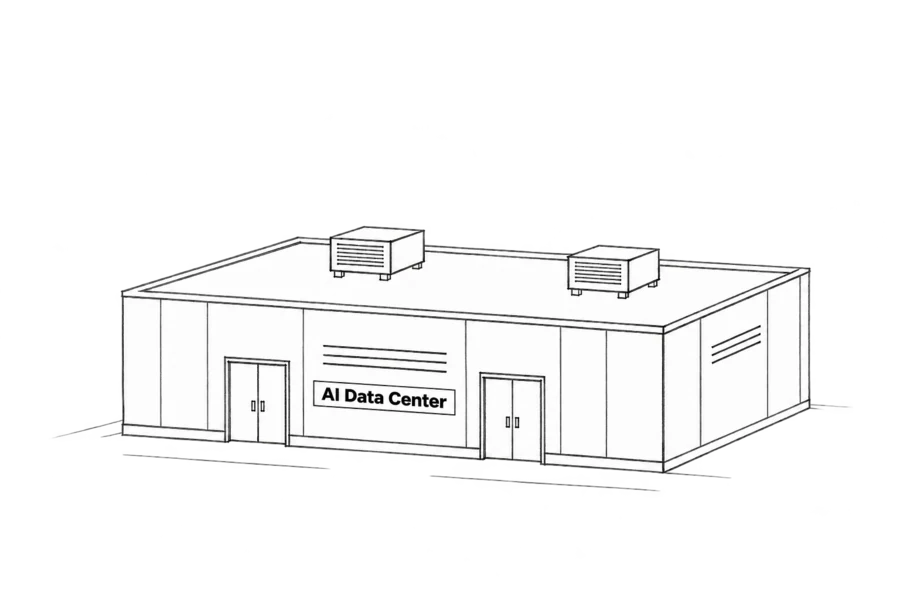
When Ellie entered the ministry briefing room, the communications team had already written the announcement. In the space reserved for the first data centre, someone had typed HARBOUR POINT in capitals. A copy of the unsigned tender lay beside her seat.
Ellie had spent three years asking departments to make the case for more computing capacity. Hospital administrators wanted somewhere to test appointment forecasting without sending patient information outside their own systems. The tax office wanted a secure place to test software before it touched live records. The proposal before her set aside up to US$4.8 billion for six AI data centres. Today’s decision concerned the first site, and her signature could authorise construction.
The minister pointed at the announcement. ‘Can we have a place name by lunch?’
Across the table, Dev, the programme analyst, opened his laptop. He had given the AI planner two instructions: open the first site within twelve months and minimise upfront cost. The planner had ranked the three sites and drafted the tender. Harbour Point came first.
The footnote
Ellie started with the line that said flood exposure was low. The linked file was a tide map from 2018. She scrolled past the colours to the notes at the bottom. Storm surge was outside the map’s scope.
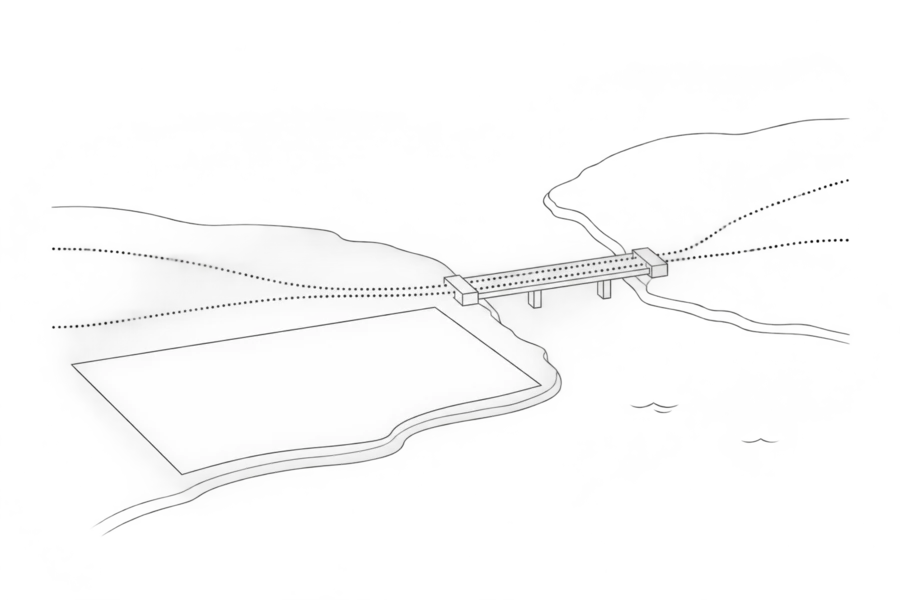
Dev pulled up the fibre diagrams. Two providers had submitted quotes, each with a route drawn in a different colour. Both routes used the same bridge. Ellie asked what service would remain if that bridge closed. Dev searched the tender. While he was looking, Maya, the infrastructure engineer, put a pencil across both lines.
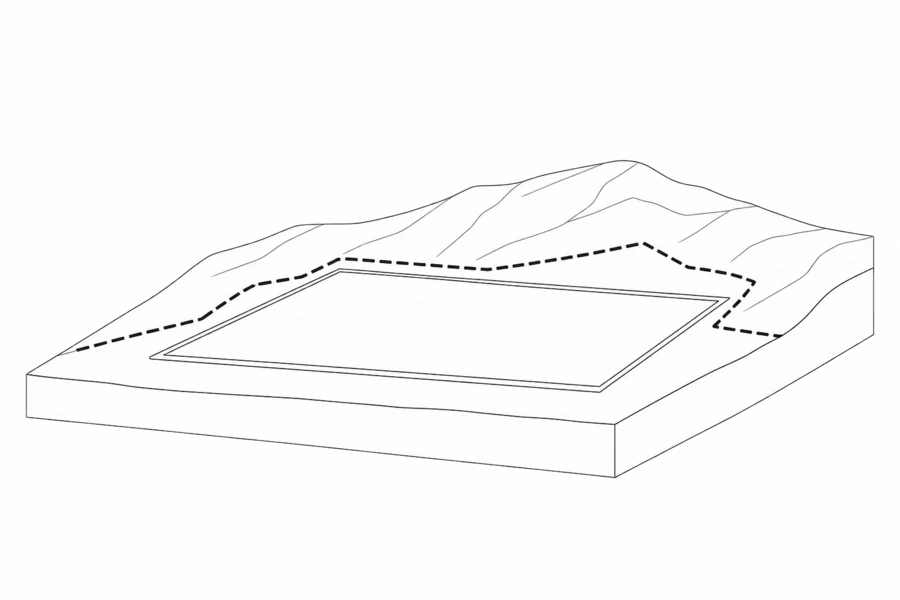
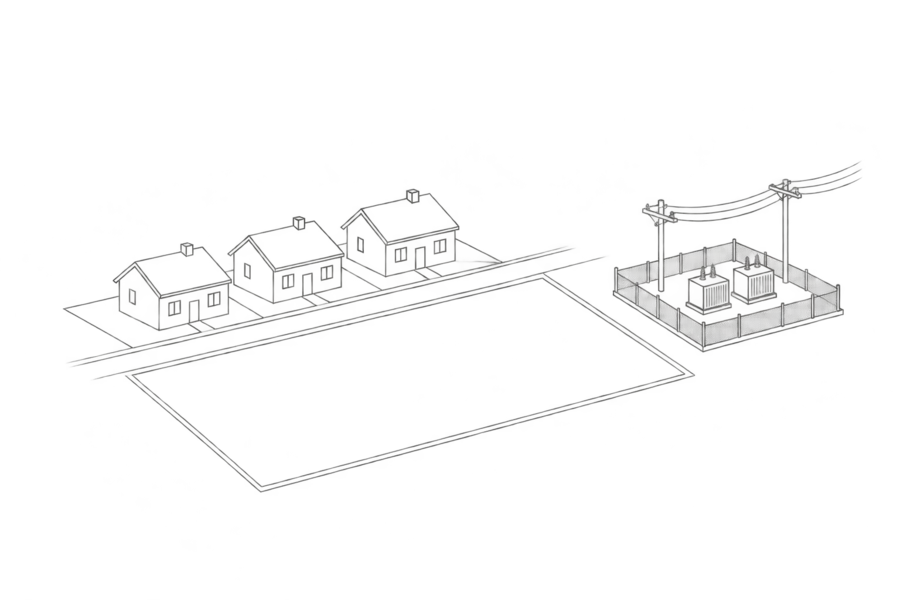
The inland option, Ridge Park, had government-owned land near a mapped fault. The promised soil report had yet to arrive. Community Edge sat close to a substation and a row of homes. Its project summary said power was secured. The utility’s letter confirmed receipt of an application. The residents’ meeting was still a blank in the calendar.
Ellie asked Dev to open the cost sheet. The three estimates sat in tidy columns. A zero appeared where the team had yet to price coastal protection and another where a grid upgrade might be needed. The ranking treated both cells as costs of zero.
Eleven fifty
Through the wall Ellie could hear the press staff moving chairs. The minister wanted a site the public could picture. Dev wanted to send a tender his team had spent a week preparing. Maya wanted time to walk the routes with the providers. Ellie wanted a facility that could keep running when the organisations relying on it needed it.
She turned the tender face down. ‘We can give them a place name,’ she said. Then she stopped. Naming the first site to investigate and giving a contractor permission to build were two decisions. She reached for the map again.
Your decision
Which site would you investigate first, and what would you tell the minister about signing the construction contract?
Level 1 solution
The completed 4D canvas
- Delegation
What should the planner finish before lunch, and what should Ellie decide herself?
Ask the planner to organise the evidence, identify missing documents and compare sites under stated assumptions. Ellie retains the signature and asks Maya and the relevant specialists to validate the evidence behind the recommendation.
- Description
The brief calls for opening within twelve months at the lowest upfront cost. What would you add?
Give the planner the services the first site must support, the required continuity of service and a lifecycle cost objective. Require evidence for power, cooling, connectivity and hazards. Mark missing costs as unknown and compare options under different assumptions.
- Discernment
Which two lines in the site report would you verify first, and where would you look?
Trace the low flood rating to the map and check which hazards it covers. Confirm the route geometry directly with both providers. Compare the power summary with the utility’s letter and ask for actual connection terms. Challenge any ranking that treats missing values as zero.
- Diligence
Who should Ellie speak to before naming a site, and what would you put on record?
Consult residents, the utility, service owners and the engineers who would assess or operate the site. Record the limits of the evidence and who owns each check. If the minister announces Harbour Point as the first investigation, communicate the conditions and the next decision date.
Take the decision one step further
- The minister says a month’s delay could cost the programme a funding window. What would you investigate in parallel, and what commitment could you make now?
- If the soil report clears Ridge Park but its price is higher, what would make that extra cost acceptable?
- What sentence would you put in the public announcement to distinguish a site investigation from approval to build?
4D framework by Rick Dakan, Joseph Feller and Anthropic.
Level 2
Make the call with the numbers
Ellie gets the following estimates and engineering notes after the briefing. These are exercise figures for the first site in the story.
- Budget. The first site has a ceiling of US$825 million. Add 5% to base cost plus the cost of the listed work.
- Opening. The first site should be in service by month 12 from the start of the project.
- Power. The IT equipment needs 24 MW at peak. For this exercise, multiply by 1.25 for the whole facility, then add a 10% reserve.
| Measure | Harbour Point | Ridge Park | Community Edge |
|---|---|---|---|
| Base cost | 690m | 755m | 720m |
| Added work | 54m coastal protection 42m a new inland fibre route | 35m foundation work | 32m a grid upgrade 18m noise and water controls |
| Opening month | 14 | 15 | 12 if upgrade is ready |
| Grid power at opening | 36 MW Written offer | 34 MW Written offer | 32 MW before upgrade 38 MW if approved and ready |
What still needs checking?
- Harbour Point
- The coastal engineer has priced a design, but the storm-surge review is pending. A provider has quoted a second fibre route. Its route survey has yet to confirm that it avoids the shared bridge.
- Ridge Park
- Engineers identified two separate fibre corridors. The detailed soil report is still outstanding, so the foundation budget could change.
- Community Edge
- The utility estimates 38 MW and a month 12 opening if the upgrade goes ahead on schedule. The project still needs a signed connection agreement. The team also needs to show residents how it would manage cooling water and noise.
Your Level 2 decision
- What is the total capital cost of each site after contingency? Which fit the budget and opening target?
- How much grid capacity does the full facility need with the reserve? Where is that capacity supported by a written offer, and where does it depend on another decision?
- Which site would you investigate first now? What would you need to see before you sign?
- Which facts about water, habitats, neighbours, financial return and cyber risk could change your decision?
Show the worked solution
Start with the 4Ds
- Delegation
- Have AI compare the figures and track missing evidence. Ask specialists to validate their findings, and keep approval with Ellie.
- Description
- Define the cost, opening and power targets alongside the environmental, social, financial and security conditions for going ahead.
- Discernment
- Recalculate the totals and check whether offers, costs and controls are confirmed or still estimates.
- Diligence
- Ask the people affected about the likely impacts. Record who owns each check, when it is due and what would stop the project.
Check budget, opening and power
The starting requirement is 24 × 1.25 = 30 MW for the facility. Adding the reserve gives 33 MW.
- Harbour Point. (690 + 54 + 42) × 1.05 = US$825.3m, US$0.3m over budget. Its 36 MW offer clears the power screen. Opening at month 14 misses the target.
- Ridge Park. (755 + 35) × 1.05 = US$829.5m, US$4.5m over budget. Its 34 MW offer clears the power screen. Opening at month 15 misses the target.
- Community Edge. (720 + 32 + 18) × 1.05 = US$808.5m, leaving US$16.5m in the budget. Its base 32 MW falls 1 MW short. The upgrade would give it 38 MW and could preserve the month 12 opening.
Check the wider impacts
- Environmental impact, flora and fauna. Survey plants, wildlife and habitats on each site and along its access routes. Compare land clearing, storm runoff and emissions. Rule out layouts that would cause unacceptable harm to sensitive habitats.
- Water. Confirm the cooling design, its water use in normal and dry months, and how it handles wastewater. Compare its needs with water available after other users and ecosystems are accounted for.
- Social impact. Consult residents and public service users. Check who benefits and who bears noise, traffic or construction disruption. Agree on measures to limit disruption and a way for residents to report problems.
- Profitability and return on investment. Compare expected revenue and avoided costs with what it will cost to build, run and retire each site. Compare building with renting capacity. Test weak demand and higher energy costs. Assess financial return and benefits to the public separately.
- Cyber risk. Check who can access equipment and systems, how each customer's data will be kept separate, and how suppliers will be vetted. Assign someone to handle incidents and budget for tests that show whether services can be restored.
Further reading: World Bank environmental and social standards, The Green Book on appraisal and the NIST Cybersecurity Framework.
For comparison, Berkeley Lab estimated an average power usage effectiveness (PUE) of 1.145 for US data centres serving AI equipment in 2024. PUE divides total facility energy use by IT equipment energy use. The 1.25 multiplier above is an assumption for this peak power exercise. Lawrence Berkeley National Laboratory, United States Data Center Energy Usage Report: 2025 Update, §3.5.
Scenario Prompt
Paste this into your AI tool and play Ellie. Start with the evidence in the story, then see whether the numbers change your decision.